
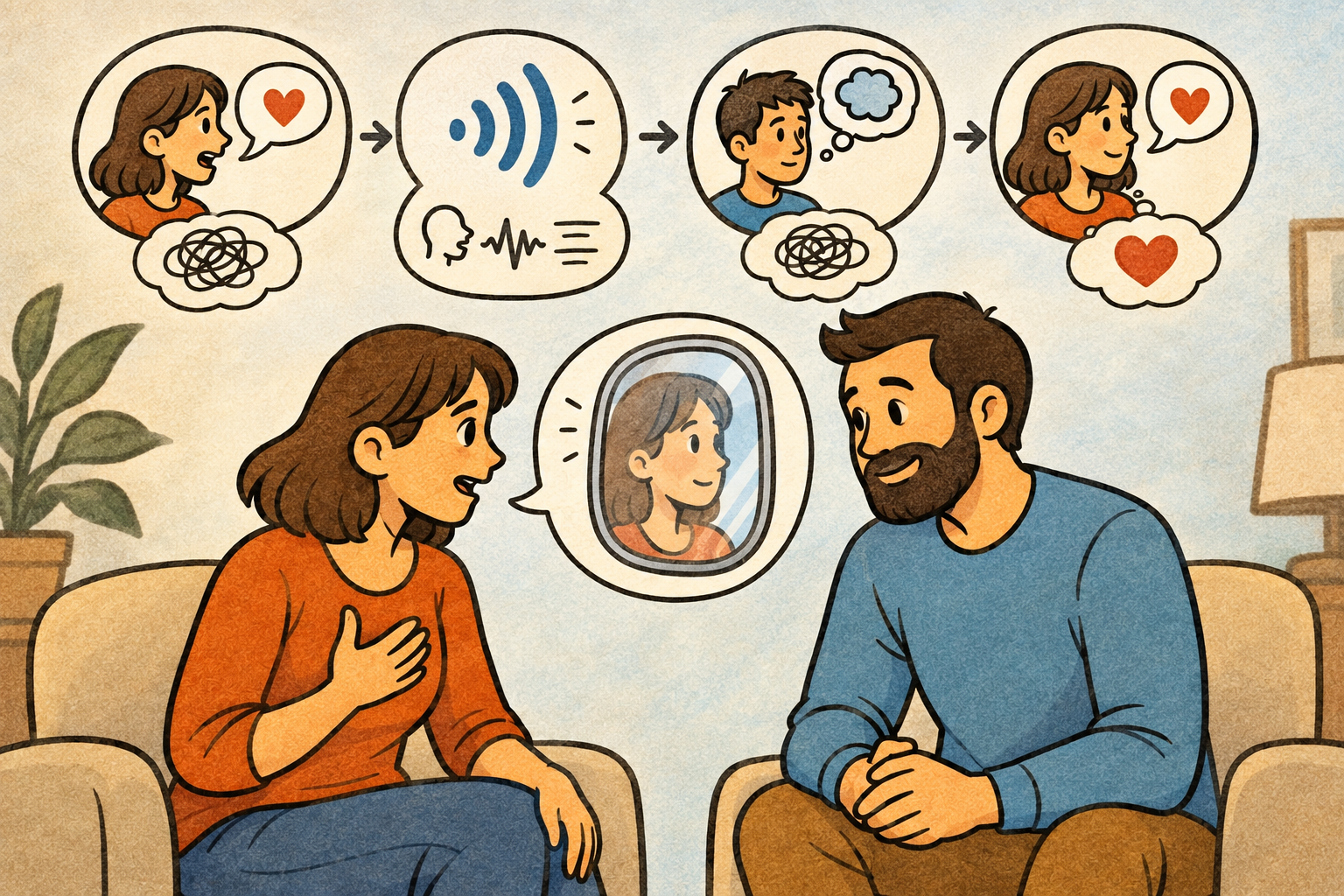
Reflect and Summarize to Gain Big in Conversations
Reflective listening prevents this communication error by postponing a response until you first confirm you truly understand what was said. Hence, like a mirror, you reflect back to the sender what you believe you heard, then, when you do respond, you’re actually responding to what the sender truly said. That’s win for both of you!

Asking Clarifying Questions
This is Part 2 of communication tip #6 – ask clarifying questions to avoid the dangers of assumptions. If you read Part 1 you would have noticed right off the bat that I compared making assumptions to looking up into the sky, seeing a few stars, and then saying, “That’s a bear”, which is exactly what some ancient weirdos did with Ursa Major.

Avoiding Making Negative Assumptions
As a young Boy Scout, I loved going on camping and backpacking trips, sitting by a campfire, and watching the night sky for shooting stars. However, I really struggled with learning the different constellations. I knew one star for sure, the Sun. No problems at all finding that one during the day. I could even pick out the Big Dipper most nights. But I never understood how those three random stars over there made Orion’s belt, or how this cluster of stars below looks like a giant bear.
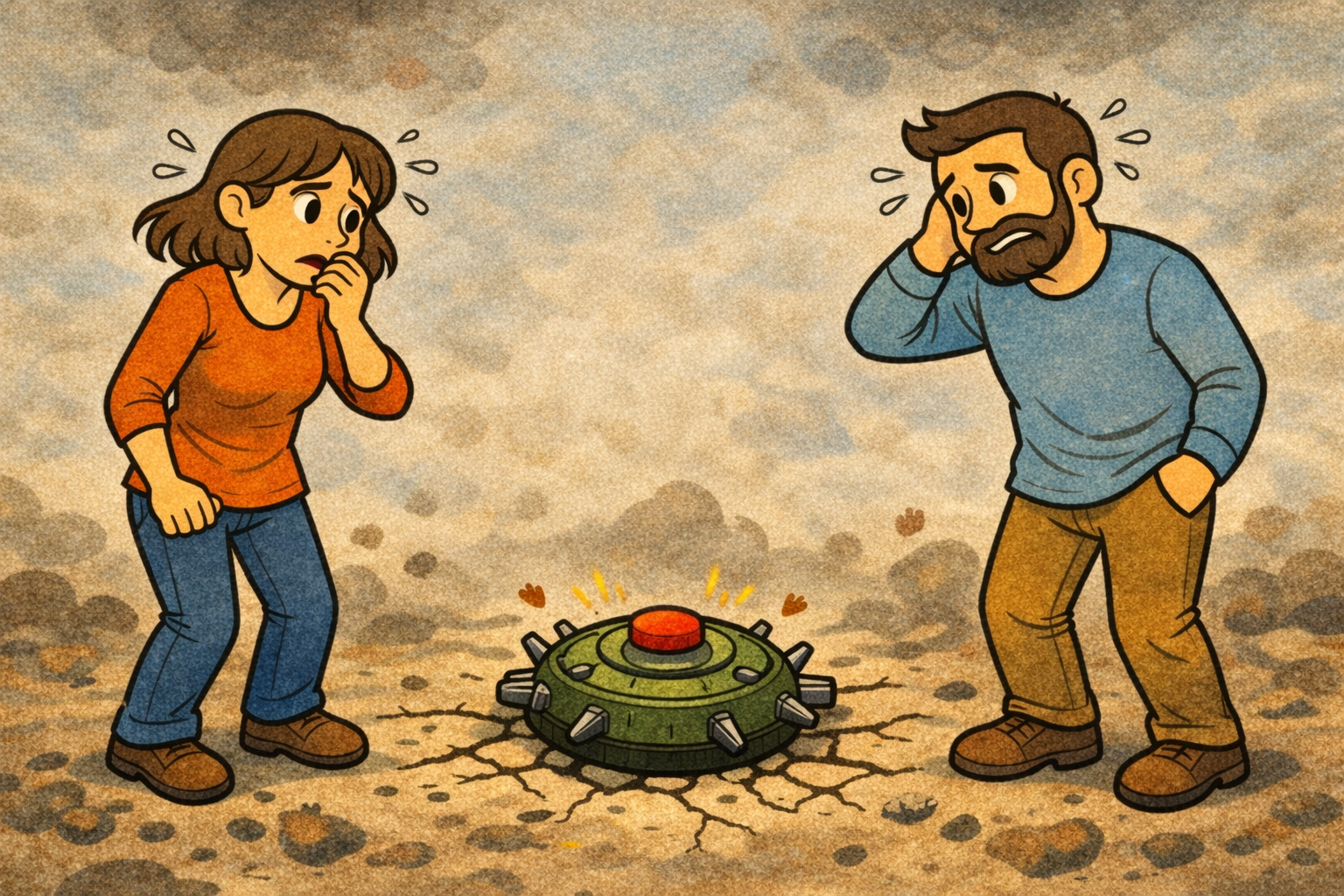
How Absolutes Like “Always” and “Never” Ruin Communication in Relationships
The heart of this principle is simple: when language becomes extreme or loaded, nervous systems stop listening and start defending. Absolutes and landmines are two of the fastest ways to derail a conversation, even when the issue is small. Practicing this tip will help you stay grounded, curious, and connected rather than reactive.
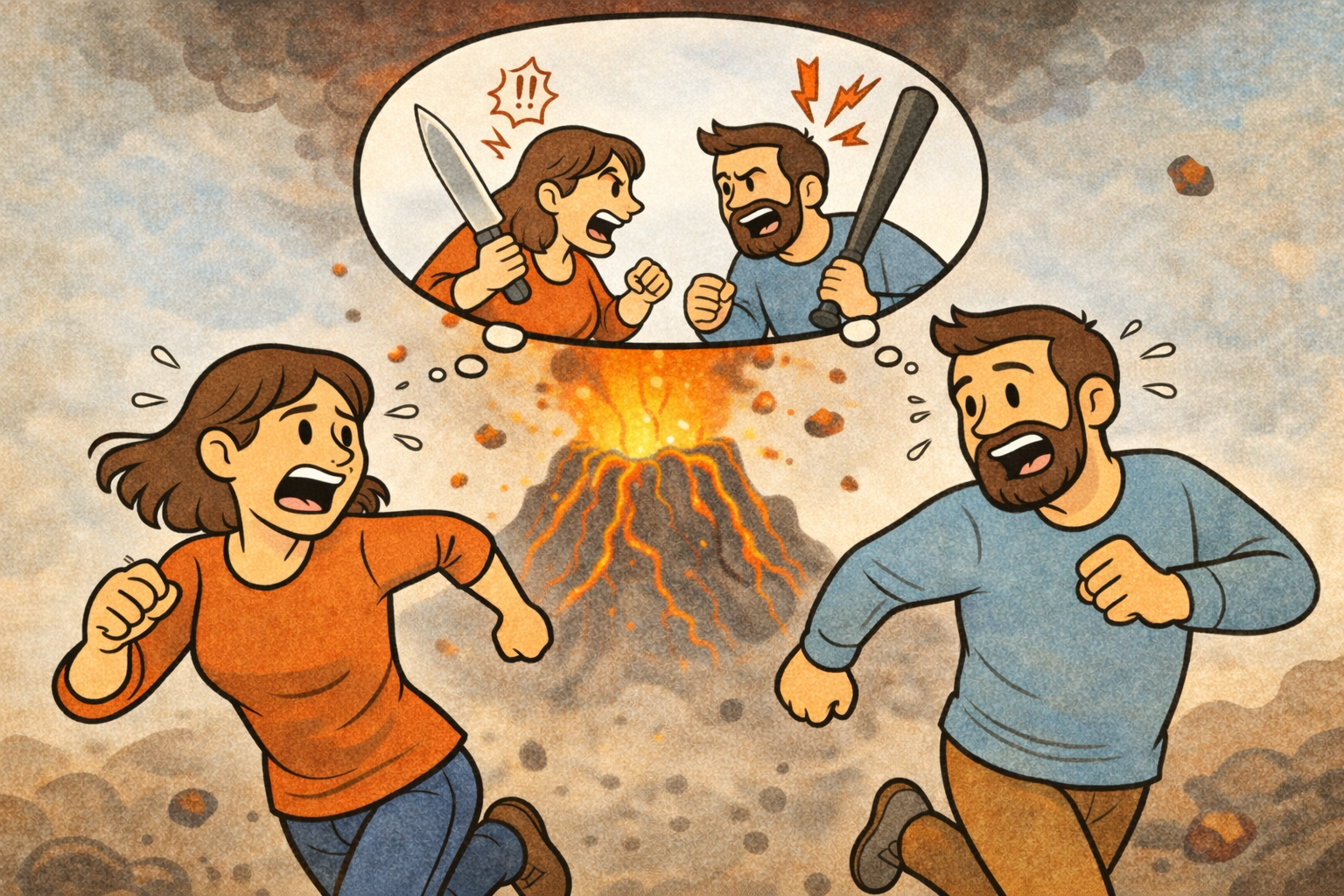
Approaching Difficult Topics With “I” vs. “You”
I recently came across a video circulating online about a hiker who tossed a rock into a semi-active volcano, thinking it would be harmless, only to trigger a sudden burst of activity that sent him running for cover. Many couples know this feeling. You climb to the edge of a difficult topic, toss in the “rock” of your thoughts and feelings, and instead of resolution, you get an eruption.
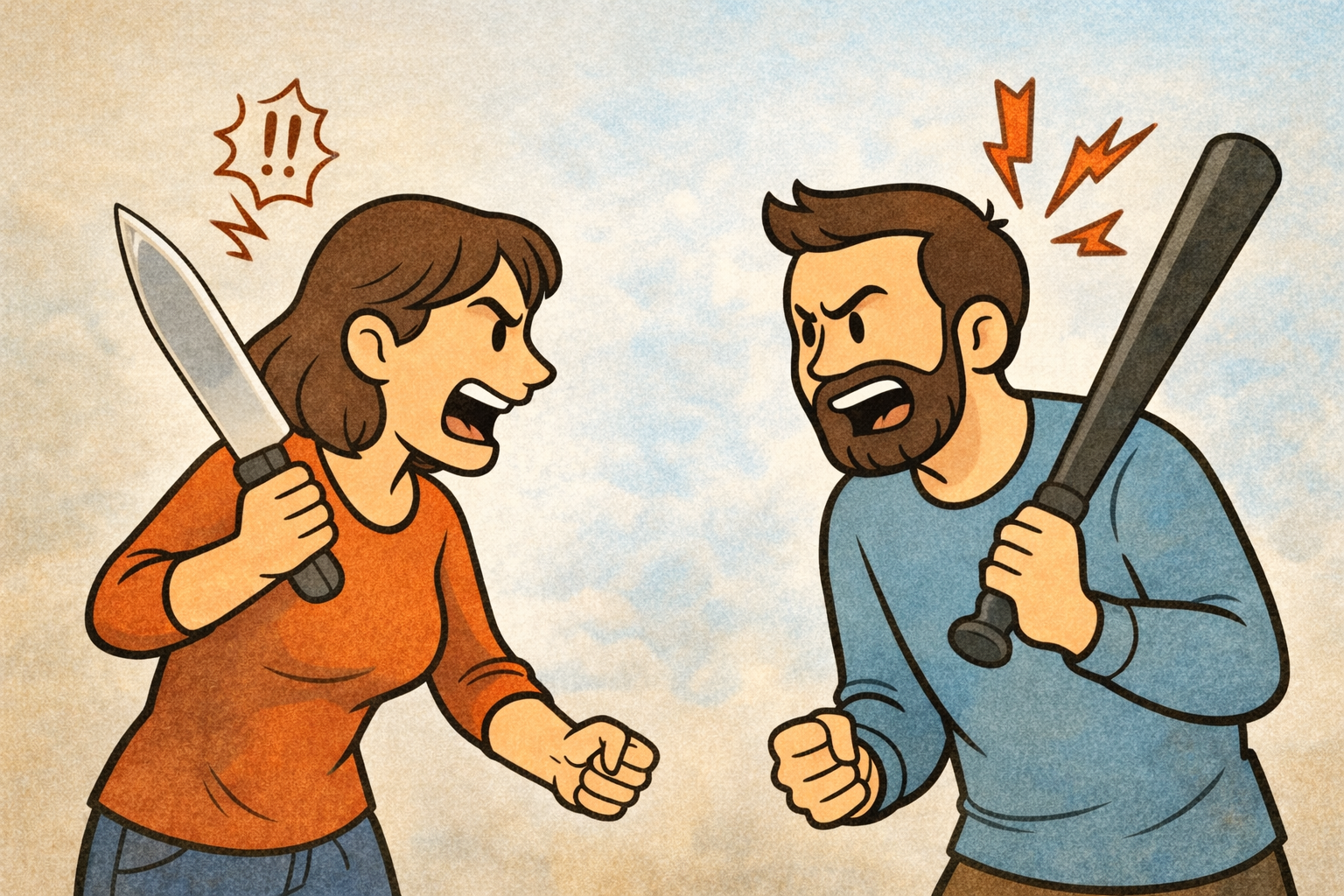
Conflict Resolution – Avoiding the Circular Firing Squad
If you’ve ever seen the infamous street‑fight scene in Anchorman, you know exactly what rapid escalation looks like. Maybe you and your partner don’t bring tridents into your arguments, but emotionally and neurologically, it can feel just as wild. A simple conversation about leaving the toilet seat up, suddenly turns into a debate about finances, parenting styles, in‑laws, the Kohl’s cash you let expire, and that thing someone said at Christmas in 2002. Before long, neither party is even remotely addressing the original issue, the fight ends, and once again, nothing seems to get resolved.
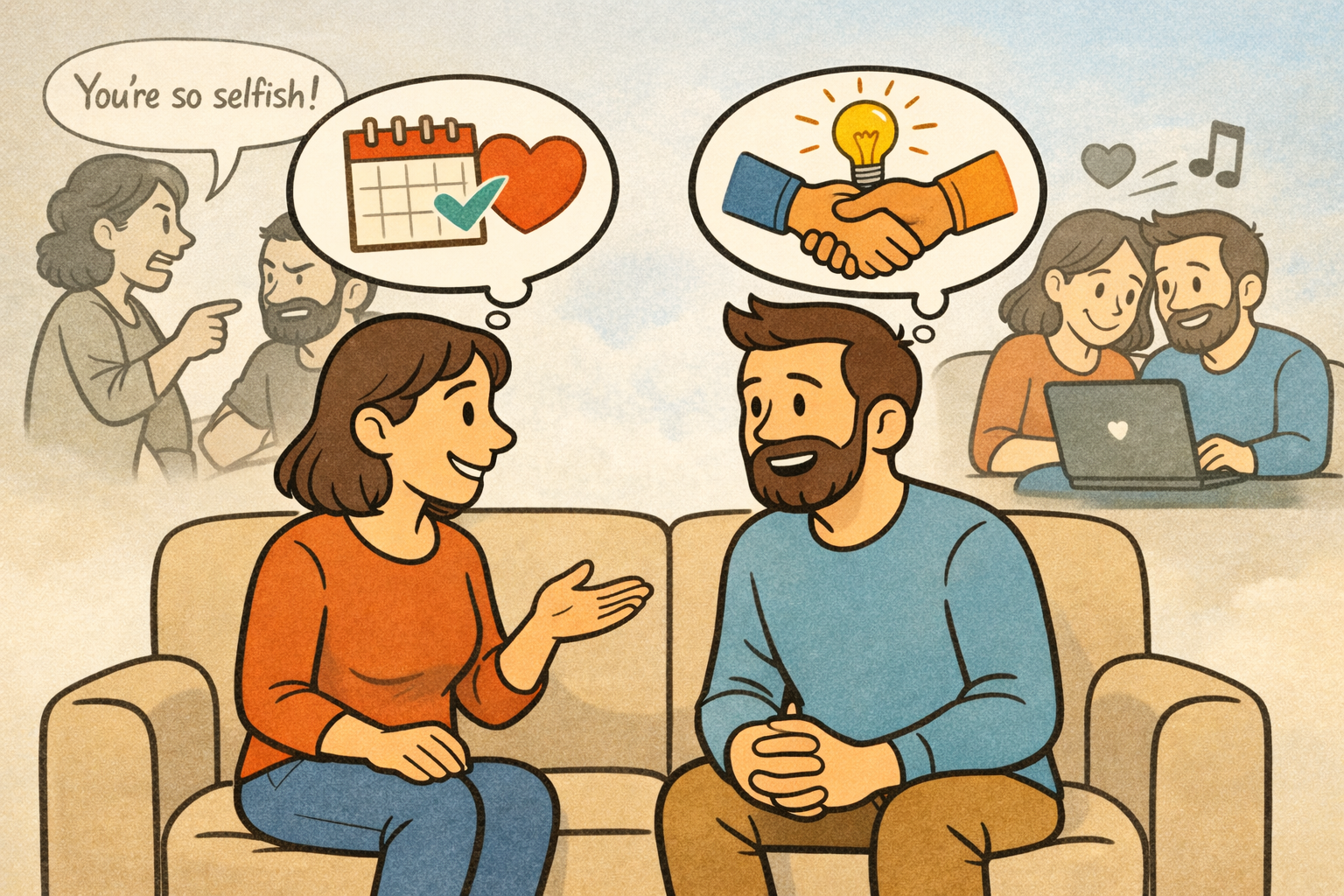
Healthy Conflict Resolution for Couples
Character attacks—what Gottman calls criticism—are among the most damaging communication patterns in relationships. When you say, “You’re so lazy,” your partner’s nervous system interprets it as a threat. Their brain shifts into self‑protection, activating the fight‑flight‑freeze response and narrowing the Window of Tolerance (Siegel, 2012). Once the prefrontal cortex goes offline, problem‑solving becomes nearly impossible.
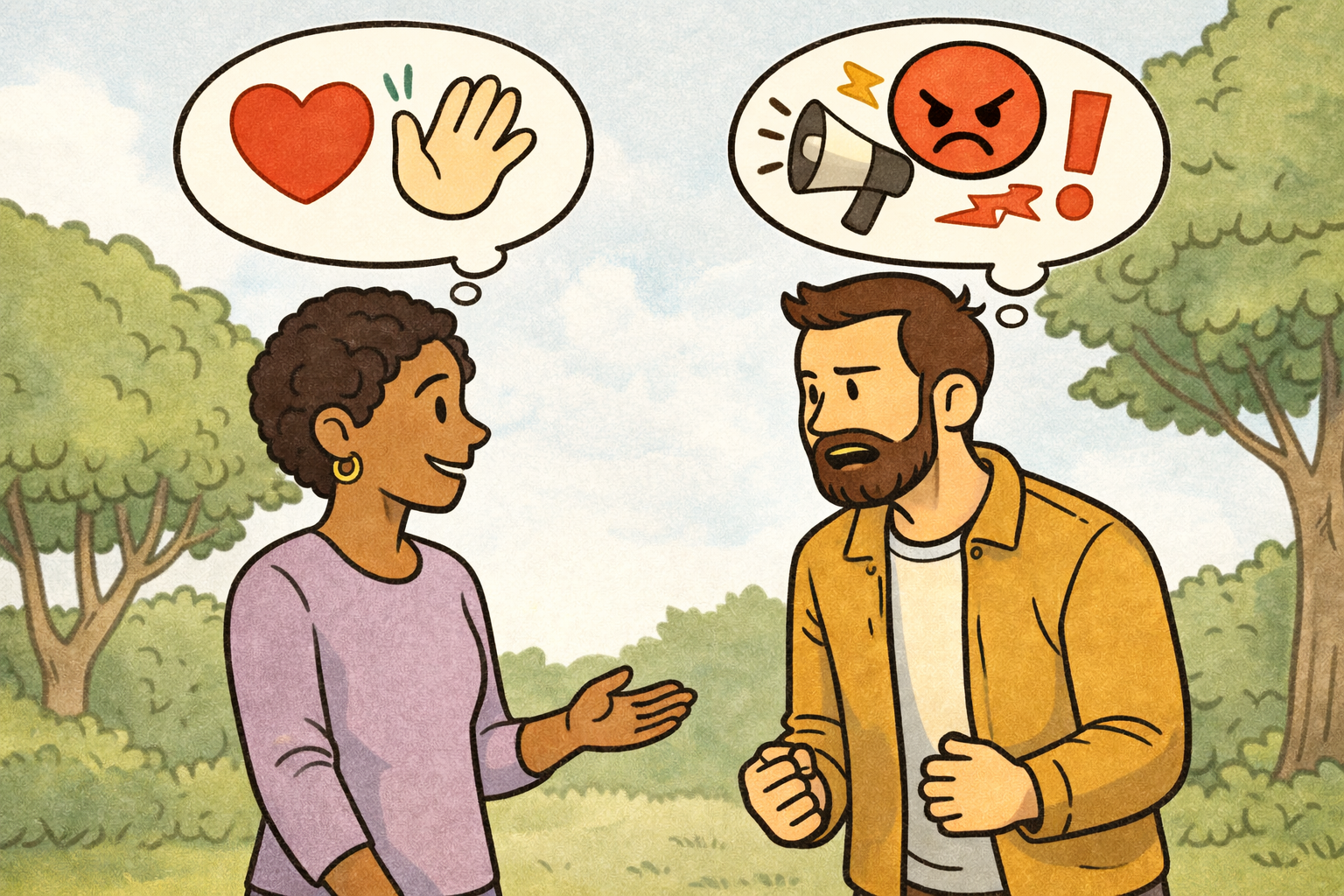
Starting Healthy Conversations With Your Partner
Did you know that the first few seconds of an interaction often determine whether partners successfully converse or end up fighting? Dr. John Gottman’s research shows that 96% of the time, the way a conversation begins predicts the way it will end (Gottman & Silver, 2015, pp. 27–31). A harsh startup activates the limbic system, narrows the Window of Tolerance, and pushes the prefrontal cortex offline (See my previous post for more explanation). However, a warm invitation signals safety, collaboration, and peaceful intentions.
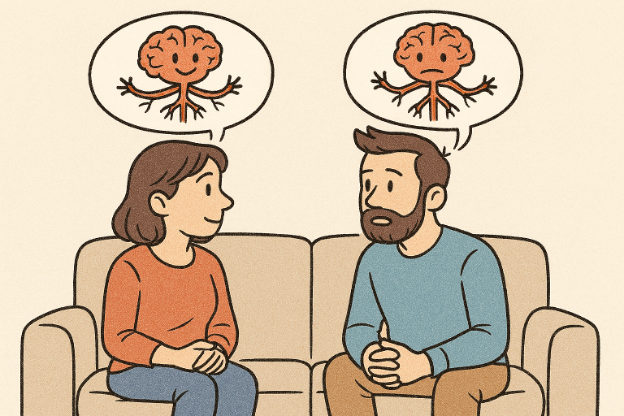
How Your Brain Shapes Communication in Marriage
When couples sit down to talk, the conversation isn’t just happening between two people. It’s happening between two nervous systems. By understanding what’s happening in the brain during communication, couples can change how they interpret each other’s reactions, regulate emotions, and stay connected.
Marriage Communication Skills: Therapist Tips for Building Healthy Relationships
Hi, I’m Joe, the founder of Dignity Counseling Collective. I’m grateful you’re here reading our first blog post. Your curiosity and desire to grow tell me something important about you — you’re someone who wants to strengthen yourself and your relationships. My hope is that this blog becomes a place that both exceeds your expectations and keeps you hungry for more.