
At Dignity Counseling Collective (DCC), we are committed to offering care that honors the whole person, through mind, body, and soul. To support this mission, we offer a variety of counseling approaches and payment options designed to meet clients where they are and provide the kind of care they truly want and need. This model allows us to remain flexible, person-centered, and deeply attentive to client dignity and autonomy.
Self Pay only with Elizabeth & Peter
Insurance Offerings With Joe & Mike include:
Forward Health
Insurance Offerings With Katelyn include:
Forward Health
UHC (United Healthcare) including Forward Health HMO
UMR (United Medical Resources)
VACCN (Veterans Administration Community Care Network)

Our Payment Philosophy
Advantages of Self-Pay for Clients
-
As many as one in four people first seek support from clergy when facing emotional or mental health challenges. DCC was intentionally designed to serve individuals who desire integrated pastoral and clinical care in a professional, confidential setting.
Insurance companies rarely reimburse for spiritual or pastoral interventions, even when those approaches are deeply meaningful and effective for the client. Our model allows clients greater influence over the kind of care they receive, rather than limiting therapy to what an insurance plan will approve.
-
When insurance is involved, continued care often depends on the presence of an ongoing diagnosis. This can unintentionally create pressure to remain focused on symptoms rather than celebrating progress and healing.
Our self-pay model allows therapy to remain focused on:
growth and resilience
life transitions
grief, fear, and meaning-making
relational repair and spiritual reflection
without tying care to a diagnosis for financial reasons.
-
Insurance companies require a formal mental health diagnosis in order to reimburse counseling services, even in couples counseling. This leads to one partner being labeled the “identified patient.” We believe this requirement can unintentionally reduce complex human experiences into diagnoses that don’t always reflect the full reality of a person or relationship.
At DCC, we strive to see the person before the diagnosis and to support growth, healing, and wholeness without labels if they are unnecessary.
-
Mental health diagnoses submitted to insurance companies become part of a client’s permanent electronic health record, even after symptoms resolve. For many clients, privacy is a significant concern.
Under pastoral counseling and coaching, we are able to provide options outside the typical medical model, offering a wider scope of care.
-
Insurance billing requires significant administrative time and resources, but by minimizing insurance involvement, we keep overhead lower and can:
offer more transparent pricing
devote more time and energy to clients
avoid billing practices that inflate costs
Furthermore, therapist burnout is a serious issue in mental health care. This is especially true in high-volume, insurance-driven environments. Research consistently shows lower burnout rates among private-pay clinicians.
We believe that well-supported therapists provide better care, and that sustainability matters for long-term excellence in serving our community.
Our Therapists’ Rates

Joe Pullen
Licensed Professional Counselor - In Training
Pastoral Counselor & Founder of DCC
$145/session
Accepts Forward Health

Katelyn Kotkosky
Licensed Professional Counselor
$145/session for out-of-network clients
Accepts Optum Insurance Plans

Peter Leschke
Pastoral Counselor
$95/session
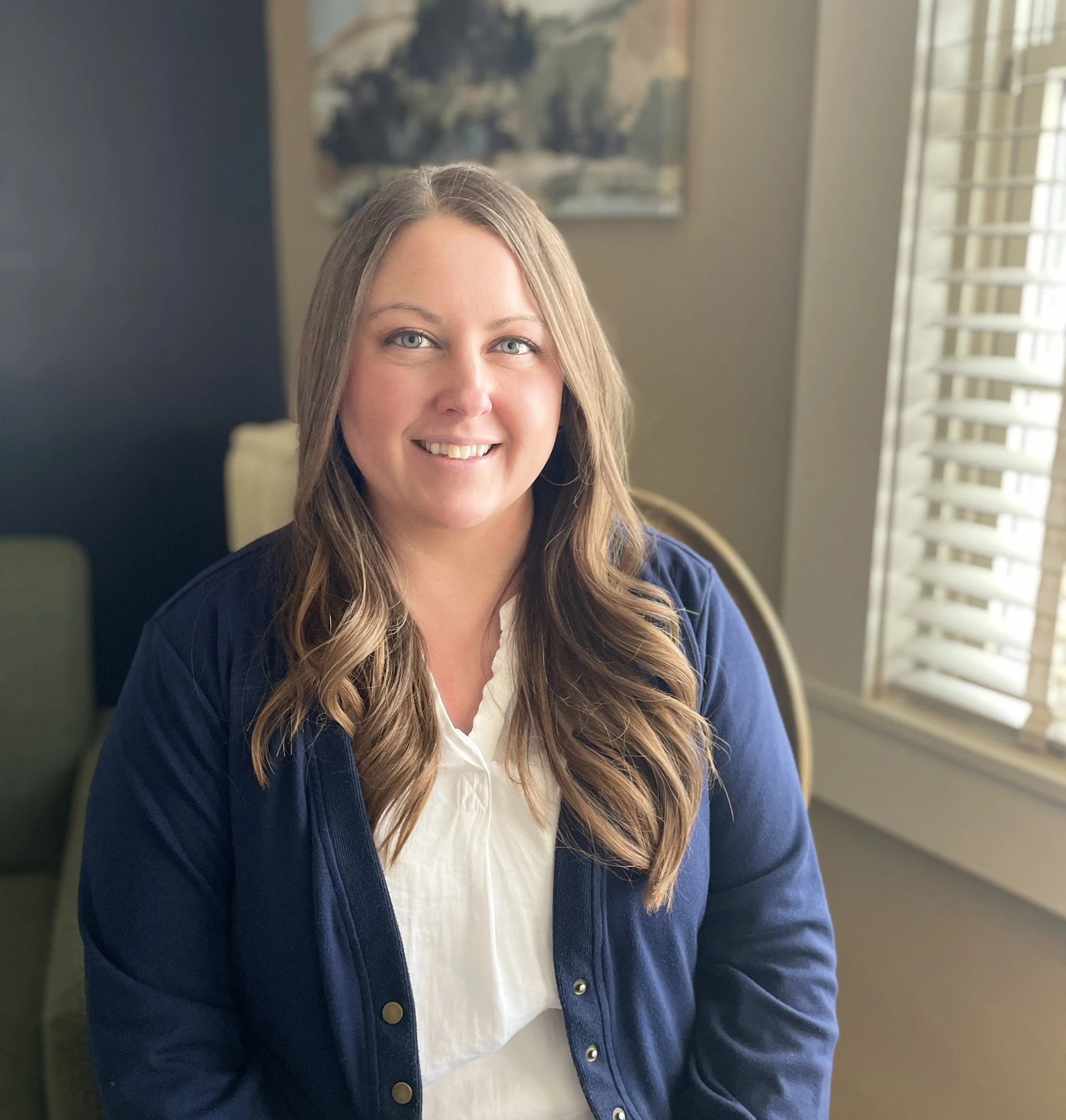
Elizabeth Jacobsen
Betrayal Trauma Support
$95/Individual Session
$50/Group Session
Group sessions are 1.5 - 2 hours, for a 12-week semester.

Mike Gorter
Licensed Professional Counselor - In Training
$145/session
Accepts Forward Health
Affordable Care Options
HSA/FSA payments are accepted by all therapists
Reduced Rates for Veterans and Ministry Personnel
Adjusted Fees & Reduced Rates for those experiencing serious financial hardship